Contents:
- Why Flowers Still Matter After a Cancer Diagnosis
- The Best Flowers for a Friend With a Cancer Diagnosis
- Sunflowers: Warmth Without Sentiment
- Gerbera Daisies: Cheerful and Long-Lasting
- Peonies and Garden Roses: Luxury and Love
- Potted Plants: The Gift That Keeps Growing
- What to Avoid When Sending Cancer Diagnosis Flowers
- Regional Notes: How Flower Choices Vary Across the US
- The Sustainable Angle: Choosing Flowers With Care
- Budget Breakdown: What to Expect to Spend
- Practical Tips for Delivery and Presentation
- Frequently Asked Questions
- What are the best flowers to give someone with a cancer diagnosis?
- Can I send flowers to someone in a hospital during cancer treatment?
- What flowers should I avoid giving a cancer patient?
- How much should I spend on flowers for a friend with cancer?
- Are potted plants better than cut flowers for someone going through cancer treatment?
- Making the Gesture Count
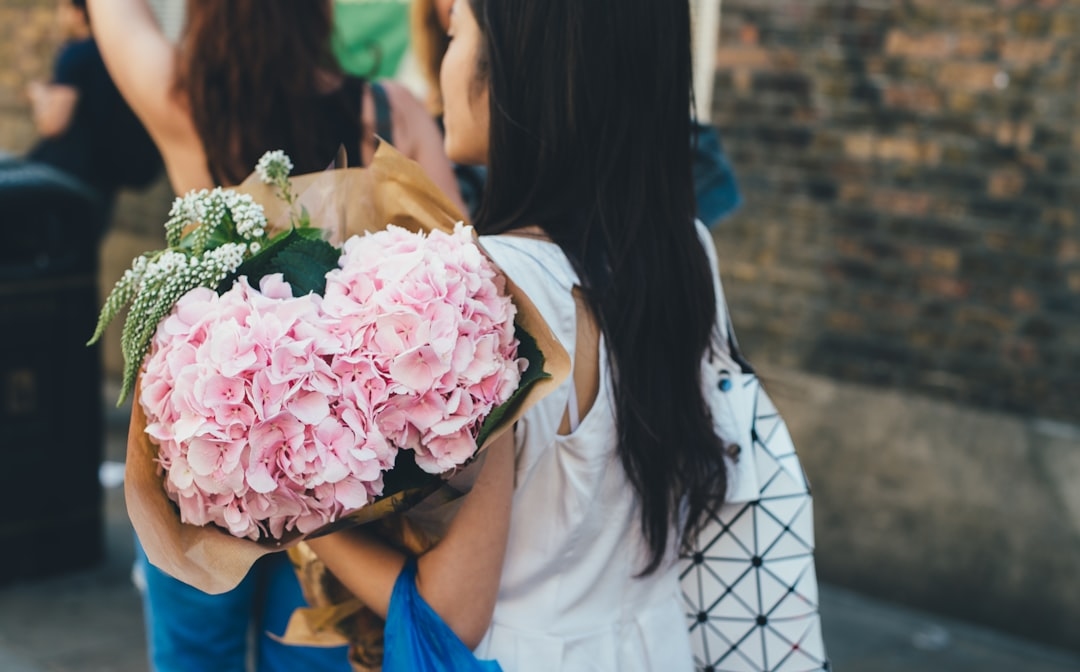
You’ve just heard the news, and now you’re standing in front of a flower shop — or a browser tab full of options — wondering if flowers are even the right call. They are. But not just any flowers. The choice matters more than you think, and getting it right can turn a simple gesture into something your friend remembers for years.
Choosing cancer diagnosis flowers for a friend is genuinely different from picking a birthday bouquet or a thank-you arrangement. The stakes feel higher. The emotion is rawer. And yet, flowers remain one of the most instinctively human ways to say: I see you. I’m here.
Here’s how to choose well.
Why Flowers Still Matter After a Cancer Diagnosis
Some people worry that flowers feel too small — too ordinary — for a moment this heavy. But research from Rutgers University found that receiving flowers produces an immediate positive emotional response and reduces anxiety in recipients. For someone who just received life-altering news, a carefully chosen arrangement can provide a genuine, measurable lift.
Flowers also do something words often can’t: they fill a room with life. For a friend who may be spending more time at home, in waiting rooms, or eventually in treatment, a living thing on the windowsill is a quiet, constant reminder that beauty still exists.
The key is choosing arrangements that communicate care without accidentally sending the wrong message. Some flowers have cultural or symbolic associations worth considering. Others are impractical for hospital settings. A little knowledge goes a long way.
The Best Flowers for a Friend With a Cancer Diagnosis
Sunflowers: Warmth Without Sentiment
Sunflowers are a strong first choice. They’re bright without being over-the-top, they last 7–12 days in a vase, and they carry an almost universally positive emotional response. A single-variety bouquet of sunflowers in a simple glass vase costs $25–$45 from most local florists and reads as intentional rather than generic. They also avoid the “sorry for your loss” association that white lilies can accidentally carry.
Gerbera Daisies: Cheerful and Long-Lasting
Gerbera daisies are underrated in this context. They come in every color, hold up well even without a professional arrangement, and signal warmth and playfulness — a reminder that your friend is still the same person they were before the diagnosis. A mixed gerbera bouquet runs $20–$35 and works beautifully in smaller spaces like a bedroom or home office.
Peonies and Garden Roses: Luxury and Love
If you want to go beyond the everyday, garden roses and peonies communicate genuine love and investment. A lush, fragrant arrangement of blush peonies or garden roses in a neutral ceramic vessel costs $55–$90 and feels like a real gift, not an afterthought. Soft pinks and peaches tend to feel nurturing rather than clinical.
Potted Plants: The Gift That Keeps Growing
For a friend who will be home recovering, a potted plant — a peace lily, a small orchid, or a low-maintenance succulent arrangement — lasts far longer than cut flowers. A quality potted orchid from a florist runs $35–$60 and can bloom for months. This is also the most eco-friendly option: no single-use floral foam, no water waste, and no wilting stems in a landfill within the week.
What to Avoid When Sending Cancer Diagnosis Flowers
Strong fragrance is the biggest practical pitfall. Chemotherapy and some cancer medications cause heightened sensitivity to smell, and what seems like a beautiful scent can trigger nausea. Avoid heavily fragrant flowers like stargazer lilies, tuberose, and gardenias — especially if your friend has already begun treatment or is about to.
If your friend will be in a hospital or treatment center, call ahead. Many oncology wards have no-flower policies due to infection risk for immunocompromised patients. In that case, a potted succulent or a non-botanical gift (a cozy blanket, a journal, a subscription box) may serve better during active treatment.
White arrangements, while beautiful in other contexts, can accidentally read as funerary. Lean toward warm tones — yellows, peaches, corals, soft pinks — which communicate vitality and warmth.
Regional Notes: How Flower Choices Vary Across the US
Florist culture is more regional than most people realize. In the Northeast — particularly New York and Boston — minimalist, architectural arrangements with clean lines and muted palettes are the norm. Think single-variety bunches in neutral vessels, often featuring branches, eucalyptus, or textural greenery alongside one focal bloom.
In the South, abundance reads as love. A generous, full arrangement with multiple flower varieties, trailing ribbons, and warm colors is more culturally resonant. Magnolias, gardenias, and camellias are local favorites, though fragrance concerns apply.
On the West Coast — especially in California and the Pacific Northwest — sustainable and locally sourced flowers are increasingly expected. Buyers in these markets tend to seek out farm-direct bouquets, seasonal arrangements, and florists who skip floral foam entirely. Look for local flower farms or certified sustainable florists if you’re in this region.
The Sustainable Angle: Choosing Flowers With Care
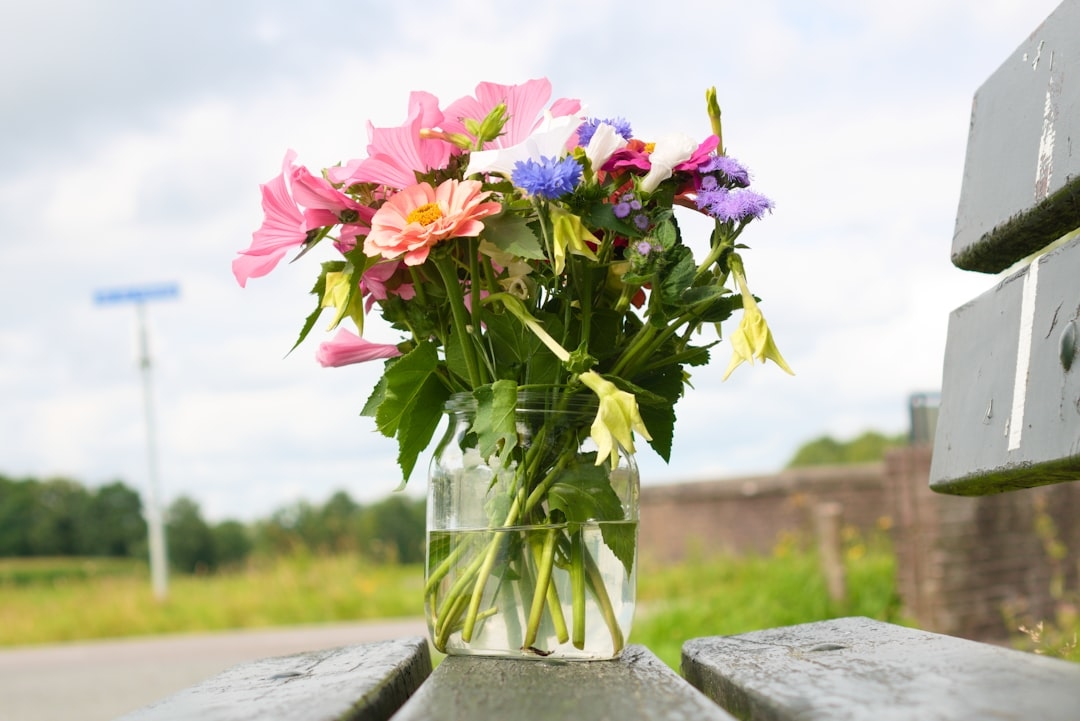
Most cut flowers sold in the US are imported from Colombia or Ecuador and arrive after significant cold-chain transport. If sustainability matters to your friend — or to you — look for USDA-certified organic flowers or blooms from local cut-flower farms. The Slow Flowers movement has a searchable directory of US farms and florists committed to seasonal, domestic sourcing.
Locally grown flowers are also fresher by definition. A stem cut yesterday from a farm an hour away will outlast an imported flower by 3–5 days, meaning your gesture of care lasts longer in your friend’s home.
Budget Breakdown: What to Expect to Spend
- $20–$35: A cheerful single-variety bunch (gerberas, sunflowers, tulips) from a local florist or grocery store with a good floral department
- $40–$65: A professionally arranged mixed bouquet with a vase, from a florist
- $55–$90: A premium arrangement with garden roses, peonies, or a seasonal specialty bloom
- $35–$60: A potted orchid or high-quality succulent arrangement — the longest-lasting option
- $75–$120+: A curated flower delivery subscription (2–4 weekly deliveries) for ongoing support through treatment
The subscription option is worth considering. A single bouquet says I’m thinking of you. Weekly flowers for a month say I’m not going anywhere. Services like UrbanStems, Bouqs, and local CSA-style flower subscriptions make this easy to set up.
Practical Tips for Delivery and Presentation
Always include a handwritten note — even a short one. A card that says “No need to respond. Just wanted you to know I love you” removes the burden of gratitude from someone who’s already exhausted from processing difficult news.
If you’re ordering online, opt for a local florist over a national wire service when possible. National services like 1-800-Flowers often use regional fulfillment that results in generic, substituted arrangements. Sites like BloomNation or a direct Google search for your friend’s zip code will connect you with an actual local florist who can execute your vision.
Time your delivery thoughtfully. The day of the diagnosis is often chaotic and overwhelming. A few days later — when the initial shock has worn off and visitors have thinned out — your flowers will land with even more impact.
Frequently Asked Questions
What are the best flowers to give someone with a cancer diagnosis?
Sunflowers, gerbera daisies, garden roses, and potted orchids are all excellent choices. Prioritize low-fragrance options if your friend is undergoing or about to start chemotherapy, and choose warm colors like yellow, peach, and soft pink over white arrangements.
Can I send flowers to someone in a hospital during cancer treatment?
Not always. Many oncology wards prohibit fresh flowers due to infection risk for immunocompromised patients. Call the hospital or your friend’s caregiver before sending. A potted succulent or a non-floral gift is a safer option for inpatient settings.
What flowers should I avoid giving a cancer patient?
Avoid strongly scented flowers like stargazer lilies, tuberose, and gardenias, which can trigger nausea in people undergoing treatment. Also avoid predominantly white arrangements, which can carry unintended funerary associations.
How much should I spend on flowers for a friend with cancer?
A thoughtful arrangement starts at around $30–$45. A premium bouquet runs $55–$90. For ongoing support through treatment, a flower subscription at $75–$120 for 4 deliveries is a meaningful and practical choice.
Are potted plants better than cut flowers for someone going through cancer treatment?
For longevity and practicality, yes. A potted orchid or low-maintenance plant lasts weeks to months versus 7–12 days for cut flowers, requires no water changing, and produces no fragrance. They’re also the most eco-friendly option, skipping single-use floral foam and excessive packaging.
Making the Gesture Count
The best cancer diagnosis flowers for a friend aren’t the most expensive ones or the most elaborate arrangement. They’re the ones that arrive at the right time, in the right colors, with a note that doesn’t ask anything in return.
Start with what you know about your friend — their home aesthetic, their sensitivity to scent, whether they’re homebodies or always on the go. Let that guide you toward sunflowers or peonies, a potted orchid or a wild seasonal bunch from a local farm. Then add a note. Keep it simple. Show up again in two weeks with something small.
That’s the part most people forget. Cancer treatment is long. The casseroles and the flowers often stop arriving after week two, just as the hard work begins. If you want to make a lasting difference, think about how to space your gestures over time — a bouquet now, a plant in a month, a handwritten card when treatment starts. The calendar reminder you set today might be the thing your friend holds onto longest.



Add Comment