Contents:
- Why Rehearsal Dinner Flowers Are Different From Regular Hostess Gifts
- The Best Rehearsal Dinner Flowers to Bring
- Garden Roses and Ranunculus
- White or Blush Peonies (In Season)
- Lisianthus
- Eucalyptus and Greenery Bundles
- Rehearsal Dinner Flowers vs. Wedding Flowers: Know the Difference
- Practical Tips for Buying and Presenting Your Flowers
- Common Mistakes to Avoid
- FAQ: Rehearsal Dinner Flowers
- What flowers are best to bring to a rehearsal dinner?
- Should rehearsal dinner flowers match the wedding colors?
- Is it appropriate to bring flowers to a rehearsal dinner?
- How much should I spend on rehearsal dinner flowers?
- Can I bring a potted plant instead of cut flowers?
- Make It Memorable With the Right Rehearsal Dinner Flowers
You’ve RSVP’d to the rehearsal dinner, you want to show up with something thoughtful, and now you’re standing in the flower shop wondering what on earth to grab. Choosing rehearsal dinner flowers feels deceptively simple — until you realize this isn’t just any dinner party. It’s an emotionally charged evening, the night before a wedding, where every detail carries weight. The right blooms can set a warm, celebratory tone. The wrong ones can create an awkward moment.
Good news: with a little insider knowledge, you can walk in with flowers that genuinely impress — without spending a fortune.
Why Rehearsal Dinner Flowers Are Different From Regular Hostess Gifts
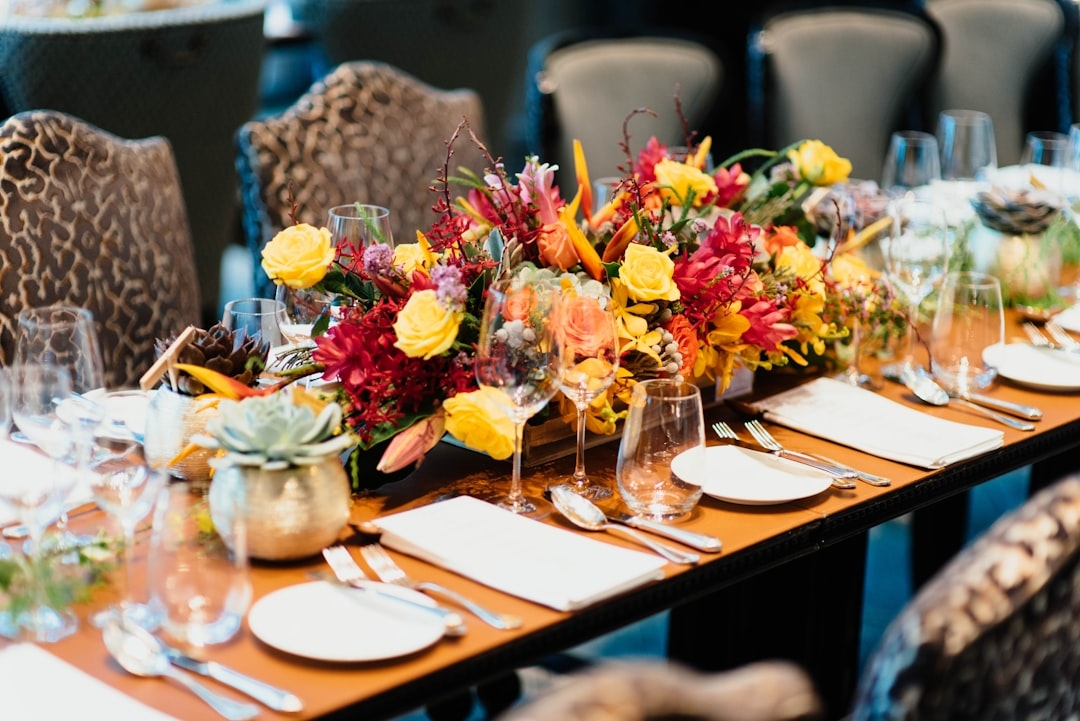
A rehearsal dinner sits in a unique space. It’s intimate — typically 20 to 50 guests — and it’s often hosted at someone’s home, a private dining room, or a favorite family restaurant. The mood is celebratory but relaxed, more “champagne with people you love” than “black-tie gala.”
Because the wedding is the very next day, there’s an unspoken etiquette layer here. You don’t want to bring flowers that compete with or clash against the wedding’s color palette. You also don’t want an arrangement so large it dominates the table and upstages the host’s own décor. Think complementary, not competitive.
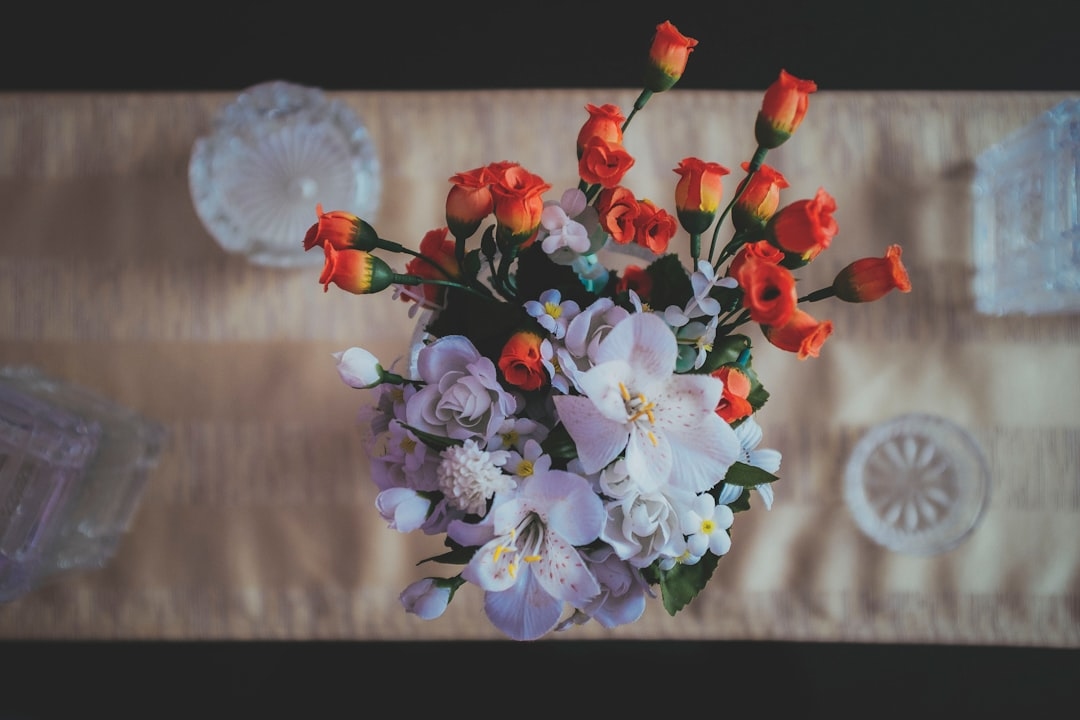
Florist Mara Hensley, lead designer at Clover & Stem Floral Studio in Nashville, puts it plainly: “The best rehearsal dinner flowers feel personal and low-fuss. A hand-tied bouquet in soft, neutral tones — creamy whites, blush, sage — works with almost any table setting and says ‘I was thinking of you’ without screaming for attention.”
The Best Rehearsal Dinner Flowers to Bring
Certain flowers are reliably excellent for this occasion. They’re widely available, affordable, long-lasting, and visually versatile.
Garden Roses and Ranunculus
Garden roses have a full, layered bloom that looks expensive even when it isn’t. A bunch of 10 to 12 stems in blush or ivory runs about $18–$28 at a quality grocery florist or local flower shop. Ranunculus are similarly lush, often available in cream, peach, and soft yellow. Both flowers hold up well out of water for a few hours — key if you’re traveling to the venue.
White or Blush Peonies (In Season)
Peonies are in peak season from late April through June in most of the US, which aligns beautifully with popular wedding months. A bouquet of 5 to 7 stems makes a genuinely stunning gift. Outside of their season, expect to pay a premium — $6 to $10 per stem versus $3 to $5 when local supply is high.
Lisianthus
Underrated and under-used, lisianthus looks strikingly similar to a garden rose but costs significantly less. It comes in white, lavender, and pale purple, and a full bouquet of 12 stems typically runs $15–$22. Perfect if the wedding palette skews cooler or more romantic.
Eucalyptus and Greenery Bundles
Not everyone thinks to bring greenery, but a lush bundle of silver dollar eucalyptus or Italian ruscus is a genuinely thoughtful gift. It smells incredible, lasts up to two weeks in a vase, and pairs with whatever flowers the host already has. Budget: $10–$16 for a generous bunch.
Rehearsal Dinner Flowers vs. Wedding Flowers: Know the Difference
People sometimes confuse “flowers appropriate for a rehearsal dinner” with “flowers that work for a wedding.” They overlap but aren’t identical. Wedding flowers are chosen to photograph well under specific lighting, last through a full day of events, and align with a coordinated floral design scheme. Rehearsal dinner flowers are just for one evening — they need to be pretty, personal, and practical.
This means you have more freedom. You can lean into fragrant choices like sweet peas or freesia that might be too delicate for a bridal bouquet. You can bring a small potted herb arrangement — rosemary, lavender, or mint — that doubles as a keepsake. You’re not locked into the wedding’s color story.
Practical Tips for Buying and Presenting Your Flowers
- Buy same-day or the morning of. Flowers from the night before will look tired by dinner. Most grocery store floral departments restock early morning, so shopping between 8–10 AM gives you the freshest picks.
- Bring them in a simple kraft paper wrap. A neat cone of brown paper looks intentional and florist-quality. Avoid plastic cellophane — it reads as an afterthought.
- Include a small card. Even two sentences acknowledging the couple or thanking the host makes the gesture feel complete.
- Budget $20–$40 for a respectable bouquet. You don’t need to spend more. At this price point, you can get a beautiful, substantial arrangement at most local florists.
- Call ahead if the event is at a restaurant. Some venues have fragrance-free policies or strict rules about outside decorations. A quick check avoids an awkward arrival.
Common Mistakes to Avoid
- Bringing red roses. Red roses read as romantic in a very specific, Valentine’s Day way. At a rehearsal dinner, they can feel oddly directed — especially if you’re giving them to the bride. Stick to blush, white, peach, or coral.
- Choosing strongly scented flowers near food. Stargazer lilies, tuberose, and gardenia are beautiful but powerfully fragrant. At a dinner table, that can overwhelm the meal. Save these for other occasions.
- Going oversized. A 24-stem arrangement in a tall vase sounds impressive, but at a rehearsal dinner it can block conversation across the table and feel like you’re trying to outshine the event itself.
- Forgetting the host. If the dinner is being hosted by the groom’s parents or another family member, consider bringing flowers specifically for them, not just the couple. They’ve put in real effort.
FAQ: Rehearsal Dinner Flowers
What flowers are best to bring to a rehearsal dinner?
Garden roses, ranunculus, lisianthus, and peonies (in season) are all excellent choices. Aim for soft, neutral tones like blush, white, cream, or peach. A mixed hand-tied bouquet in the $20–$35 range is ideal.
Should rehearsal dinner flowers match the wedding colors?
Not necessarily, but they shouldn’t clash. If you know the wedding palette, try to complement it. Neutral whites and greens work with almost any scheme and are always a safe, elegant choice.
Is it appropriate to bring flowers to a rehearsal dinner?
Absolutely. Flowers are one of the most welcomed and appropriate gifts for a rehearsal dinner, particularly if you’re giving them to the host or the couple as a celebratory gesture.
How much should I spend on rehearsal dinner flowers?
A thoughtful bouquet doesn’t require a large budget. Spending $20–$40 at a local florist or quality grocery store floral department will get you a beautiful, host-worthy arrangement.
Can I bring a potted plant instead of cut flowers?
Yes — a small potted lavender, rosemary, or succulent arrangement makes a lovely, lasting alternative to cut flowers. The couple can keep it long after the wedding weekend, which makes it feel even more personal.
Make It Memorable With the Right Rehearsal Dinner Flowers
The rehearsal dinner is a rare window — relaxed, intimate, full of anticipation. Showing up with flowers that feel considered rather than grabbed-off-a-shelf genuinely lands. You don’t need a florist’s training or a decorator’s budget. You just need to know which blooms work, which to skip, and how to present them with intention.
Next time you’re heading to a rehearsal dinner, stop by your local florist — not the grocery store endcap — and tell them the occasion, the rough color palette if you know it, and your budget. A good florist will put together something that looks far more expensive than it is. That’s the kind of detail people remember.




Add Comment