
Contents:
- Why Postpartum Flower Choices Matter More Than You Think
- The Best Wife Postpartum Flowers, Ranked by Sentiment and Practicality
- Peonies: The Queen of New Motherhood
- Sunflowers: Radiant and Long-Lasting
- White or Blush Roses: Timeless and Safe
- Ranunculus: The Underrated Gem
- Lavender Sprigs: Calming and Intentional
- Flowers to Avoid After Birth
- Postpartum Flower Budget Breakdown
- Practical Tips for Presenting Postpartum Flowers
- Timing Your Delivery
- Vase vs. Bouquet
- Adding a Personal Touch
- Frequently Asked Questions About Wife Postpartum Flowers
- What are the best flowers to give a new mom in the hospital?
- Are there flowers I should definitely avoid giving a postpartum wife?
- How much should I spend on postpartum flowers?
- What flowers symbolize new motherhood?
- Can I send flowers to a postpartum wife at home instead of the hospital?
- Make It a Ritual, Not a One-Time Gesture
Flowers have been given to new mothers for over 2,000 years — ancient Roman midwives scattered rose petals around birthing rooms to honor both mother and child. Choosing the right wife postpartum flowers is more than a sweet gesture. It’s a way to say “I see everything you just did” in the language that blooms have always spoken best.
But not every flower belongs in a postpartum room. Fragrance sensitivity spikes after birth. Hospital policy may limit certain arrangements. And the wrong bouquet — however well-intentioned — can fall flat. Here’s how to get it exactly right.
Why Postpartum Flower Choices Matter More Than You Think
New mothers experience a dramatic shift in sensory sensitivity after delivery. Estrogen levels drop by up to 90% within 24 hours of birth, and this hormonal crash can make previously pleasant scents suddenly overwhelming. A strongly perfumed bouquet that would normally delight her may cause nausea or headaches in the postpartum period.
Beyond fragrance, you’re also thinking about a newborn sharing the space. Some flowers — particularly those in the lily family — produce pollen that’s harmful to cats, and while your baby isn’t a cat, the principle of keeping heavy pollen out of a newborn’s breathing space is worth taking seriously.
Finally, there’s longevity. A wilted bouquet by day two is a sad sight. Choosing flowers with a 7–14 day vase life means your gift keeps expressing love through the sleepless first week at home.
The Best Wife Postpartum Flowers, Ranked by Sentiment and Practicality
Peonies: The Queen of New Motherhood
Peonies are lush, romantic, and carry a gentle, clean fragrance that rarely overwhelms. They symbolize good fortune and happy marriages — a fitting tribute to a woman who just expanded your family. In season from late April through June, expect to pay $8–$15 per stem from a local florist. A five-stem arrangement in a low vase is both beautiful and stable — important in a room where sleep-deprived people are constantly reaching over things.
Sunflowers: Radiant and Long-Lasting
Sunflowers last up to 12 days in a vase — longer than almost any cut flower. They radiate warmth and positivity without a heavy scent, making them ideal for hospital rooms and newborn-friendly home spaces. A mixed sunflower bouquet with eucalyptus and white spray roses runs $35–$65 and photographs beautifully for those first family photos.
White or Blush Roses: Timeless and Safe
Roses with a mild fragrance — particularly white garden roses or blush varieties like Juliet or Keira — are a consistently safe choice. They signal purity, new beginnings, and deep love. Avoid red hybrid tea roses with heavy perfume. A dozen blush roses with greenery costs $55–$90 at most US florists.
Ranunculus: The Underrated Gem
Ranunculus looks like a hybrid between a rose and a peony but is often 30% less expensive. It’s virtually scentless, comes in soft pastels, and lasts 7–10 days. If you want something that looks extravagant without the extravagant price tag, a mixed ranunculus bouquet is your answer. Budget $40–$70 for a full, generous arrangement.
Lavender Sprigs: Calming and Intentional
Adding three to five dried lavender sprigs to any fresh arrangement turns a pretty bouquet into a therapeutic one. Lavender’s linalool compounds have measurable anxiolytic effects — a 2019 study in the journal Frontiers in Behavioral Neuroscience found inhaled lavender reduced anxiety scores by 14% in postpartum women. It costs almost nothing to add and means everything.
Flowers to Avoid After Birth
- Stargazer and Oriental lilies: Heavy pollen, intensely perfumed, potentially harmful in enclosed spaces with a newborn.
- Hyacinths: Beautiful but aggressively fragrant — a common migraine trigger during hormonal transitions.
- Carnations in bulk: Not harmful, but they carry a “afterthought” reputation. Save them for supporting roles only.
- Baby’s Breath alone: Sweet in small quantities as a filler, cloying as a main event.
Postpartum Flower Budget Breakdown
Here’s what you can realistically expect to spend at a US florist or delivery service in 2026:
- $30–$50: A modest but charming single-variety bouquet — sunflowers or ranunculus work well at this price point.
- $55–$85: A full mixed arrangement with seasonal blooms, greenery, and a vase. This is the sweet spot for most occasions.
- $90–$150: A premium arrangement with peonies, garden roses, or imported blooms — appropriate for a significant birth milestone or a difficult delivery.
- $150+: Luxury arrangements with orchids, custom vessels, or subscription deliveries for the first month home.
Tip: Local florists almost always outperform big-box delivery services in freshness and stem length. Call ahead for hospital delivery — many florists offer same-day service within 10 miles for orders placed before noon.
Practical Tips for Presenting Postpartum Flowers
Timing Your Delivery
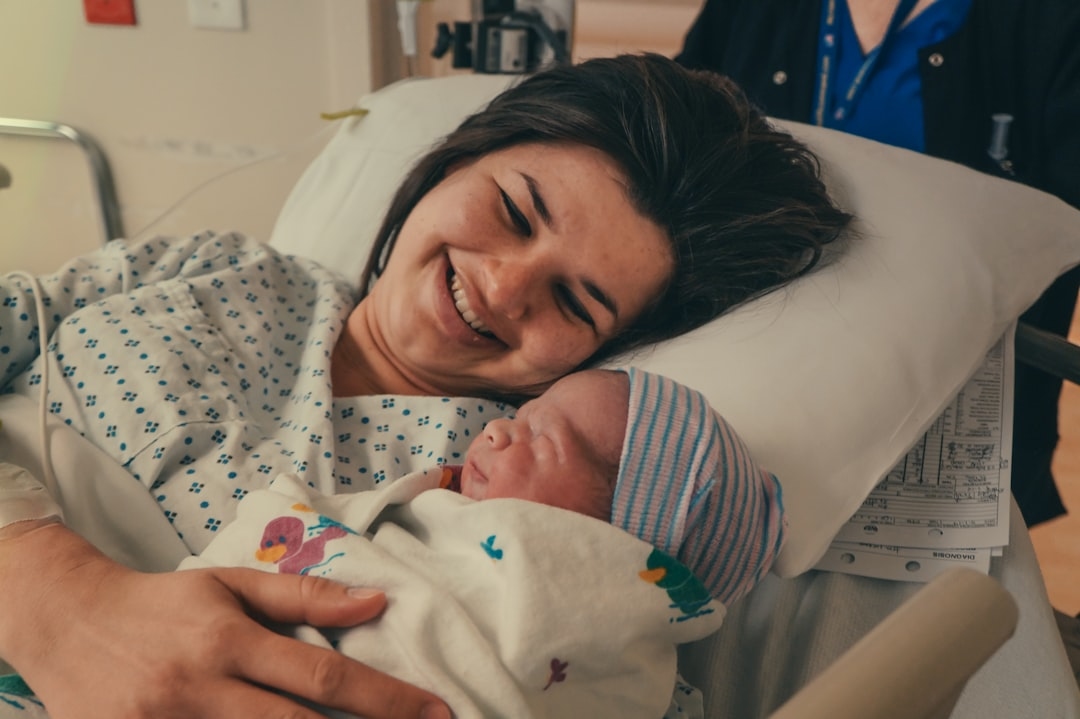
The first 24 hours after birth are often chaotic — visitors, nurses, assessments. Flowers sent on day two or at homecoming often have more emotional impact than those arriving in the birth-day rush. If she’s home within 48 hours (standard for uncomplicated vaginal deliveries), coordinate with a florist to deliver to the house the morning she arrives.
Vase vs. Bouquet
Always choose a pre-arranged vase over a hand-tied bouquet in this context. A new mother should not be cutting stems and hunting for vases. Do the work for her — that’s part of the gift.
Adding a Personal Touch
Ask your florist to include her birth month flower. January is carnation, May is lily of the valley, September is aster. Mentioning this in the accompanying card shows the kind of thoughtfulness that gets remembered long after the petals fall.
Frequently Asked Questions About Wife Postpartum Flowers
What are the best flowers to give a new mom in the hospital?
Sunflowers, blush roses, and ranunculus are ideal hospital flowers. They have mild or no fragrance, produce minimal pollen, and last long enough to travel home with her. Always check the hospital’s flower policy before ordering — some ICU-adjacent wards prohibit fresh flowers entirely.
Are there flowers I should definitely avoid giving a postpartum wife?
Yes. Avoid stargazer lilies, oriental lilies, hyacinths, and any strongly perfumed varieties. Hormonal changes after birth heighten scent sensitivity, and heavy fragrances can cause nausea or headaches during recovery.
How much should I spend on postpartum flowers?
A thoughtful, well-made arrangement typically costs $55–$85 from a local florist. Premium arrangements with peonies or garden roses run $90–$150. The key is freshness and presentation — a $60 local bouquet beats a $100 wilted delivery-service arrangement every time.
What flowers symbolize new motherhood?
Peonies symbolize good fortune and new beginnings. White roses represent purity and love. Sunflowers convey warmth and adoration. Lavender signals calm and healing. Any combination of these communicates exactly what a new mother deserves to feel.
Can I send flowers to a postpartum wife at home instead of the hospital?
Absolutely — and often it’s the better choice. Most new mothers are discharged within 48–72 hours. A delivery timed to arrive the morning she gets home creates a welcoming, celebratory atmosphere and doesn’t get lost in the hospital-day chaos.
Make It a Ritual, Not a One-Time Gesture
The most meaningful thing you can do with wife postpartum flowers isn’t choosing the perfect bouquet — it’s making flowers a recurring language in your home during the fourth trimester. A small $20 bunch of grocery store ranunculus every week for the first month communicates sustained attention in a way that one grand gesture cannot.
Talk to your local florist now. Tell them what’s happening in your life. A good florist will help you build a rotation of seasonal, budget-friendly blooms that keep your home feeling celebrated and alive through every sleepless, beautiful, disorienting week of new parenthood. That’s the real gift.




Add Comment